
Skip to content
DrugSense Blog

  • Home
  • Drug Facts
  • Drug Truth
  • DrugSense
  • Media Awareness Project
  • Home
  • Drug Facts
  • Drug Truth
  • DrugSense
  • Media Awareness Project
  • Alleged Drug Boat
    Drug Policy

    Venezuelan Boats, Presidential Pardons, and the Drug War

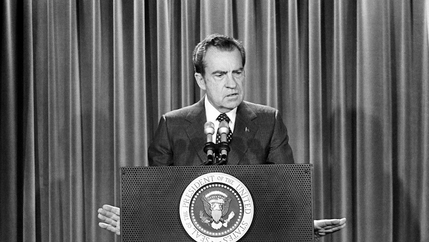
    Over the past several months, the Trump administration has ramped up the War on Drugs by attacking boats from Venezuela that were allegedly bringing fentanyl to the United States. Much commentary has questioned the legality, humanity, and effectiveness of these measures and also expressed bewilderment at the relation between these actions and President Trump’s pardon of Juan Orlando Hernandez, the former president of Honduras, who was serving a 45-year sentence for cocaine trafficking.

    Yet most discussion misses the fundamental point: the War on Drugs is, and always has been, a terrible policy.

    Read More

    Continue Reading
  • Cannabis
    Drug Policy

    Marijuana Saw Some Big Moments In 2025

    As 2025 comes to a close, the cannabis world is reflecting on the sometimes dizzying series of political, legal and cultural shifts that took place this year—and looking ahead to further developments that advocates and industry stakeholders will be navigating in the new year.

    Read More

    Continue Reading
  • SOS vs Methadone
    Drug Policy

    Comparing the effects of prescribed safer opioid supply and methadone in Ontario, Canada: a population-based matched cohort study

    SOS and methadone were associated with improvements in health outcomes, including reduced opioid toxicities and health-care use, in the year after treatment initiation. The findings suggest SOS programmes play an important, complementary role to traditional opioid agonist treatment in expanding the options available to support people who use drugs.

    Continue Reading
  • Homicide rate
    Drug Policy

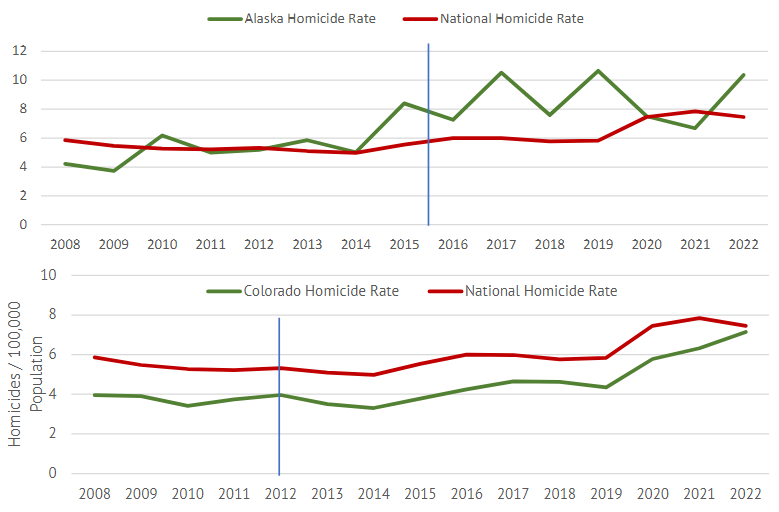
    The truth about marijuana, mental illness, and violence: A review of Alex Berenson’s claims in ‘Tell Your Children’

    This review examines Berenson’s claims in light of the current literature in epidemiology, public health, and economics by reviewing his research summary and analyzing government data measuring marijuana use, mental illness, and violence. Despite Berenson’s claims, much of the literature he cites concludes that marijuana is effective in treating many conditions, including chronic pain—one of many scientific findings Berenson chooses to omit in his book.

    Continue Reading
  • Drug Policy

    Transitions to legal cannabis markets

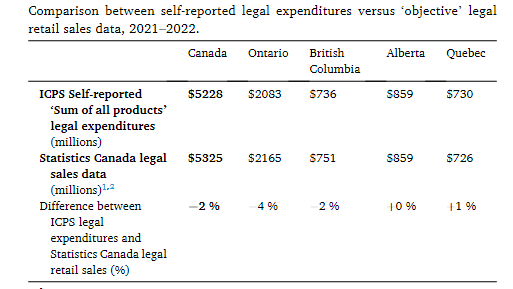
    Legal market capture of cannabis expenditures in Canada following federal cannabis legalization

    Highlights

    •Legal market capture of cannabis 5 years post-legalization in Canada is ∼78 %.

    •Dried flower accounted for approximately 60 % of all legal cannabis expenditures.

    •Higher legal market capture for drinks, vapes, and capsules; lower for concentrates.

    •Overall, evidence of substantial transition in expenditures from illegal to legal cannabis market.

    Read more in the International Journal of Drug Policy

    Continue Reading
  • Initial Opioid Exposure Among Respondents Reporting Illicit Opioid Use
    Drug Policy

    Estimates of Illicit Opioid Use in the US

    The opioid crisis represents one of the greatest public health challenges of our time, yet estimates of illicit opioid use are rare and typically available only years after data collection, limiting our ability to monitor trends in prevalence. This survey study estimated near real-time rates of illicit opioid use.

    These findings suggest that illicit opioid use and, in particular, IMF use is more prevalent than previously estimated. Almost 11% of the population aged 18 years and older reported using illicit opioids within the past 12 months, including 7.5% of the population aged 18 years and older using IMF.

    Research critical of prior survey evidence on illicit substance use estimated that the true rate of chronic heroin use was more than 16 times the rate reported in the NSDUH. Our estimate of IMF use is 25 times as large as the 2022 NSDUH rate for those aged 18 years or older (7.5% vs 0.3%). Assuming that illicit opioid use has increased, these differences are consistent with prior estimates of NSDUH undercounts of illicit opioid use.

    Read more: JAMA Health Forum. 2025;6(5):e250809. doi:10.1001/jamahealthforum.2025.0809

    Continue Reading
  • Homelessness
    Drug Policy

    Criminalizing Substance Use And Homelessness Harms Public Health And Safety

    Such policies reflect public fears about substance use and issues associated with people living without shelter, but they stem from flawed narratives that people who use drugs and are unhoused are dangerous and the assumption that harsher penalties for substance use and homelessness improve public safety. Evidence shows otherwise. These narratives also fail to account for this population’s extensive health and social needs. Consequently, these laws will expose more vulnerable individuals to the harms of incarceration, fail to improve public safety, and exacerbate the homelessness crisis. To address drug use and homelessness, policy makers and public health experts should prioritize evidence-based alternatives to criminalization that improve public health and safety.


    Read more at Health Affairs

    Continue Reading
  • German Protestors
    Drug Policy

    Is America Missing Out On The Global Cannabis Boom?

    TL;DR: As cannabis becomes a regulated global commodity—spanning pharma, exports and healthcare—the U.S. risks falling behind. While other regions advance structured markets, federal inaction and investor hesitation threaten America’s role in the industry it once led.

    Read more in Forbes

    Continue Reading
  • Cannabis Attitudes
    Drug Policy

    Changes in cannabis attitudes and perceptions in the five years following recreational legalization in Canada

    Highlights

    •Those not using cannabis pre-legalization showed steeper increases in acceptability.

    •Social acceptability of recreational cannabis use has increased since legalization.

    •Social acceptability of medical cannabis use declined.

    •Regular cannabis use perceived as riskier and more addictive.

    •Declines in perceived health-related benefits; increases in health-related risks.

    Read more in the International Journal of Drug Policy

    Continue Reading
 Older Posts
Drug Policy Facts
Cultural Baggage Radio Show
Media Awareness Project
Graceful Theme by Optima Themes