Since President Donald Trump issued a July 2025 executive order aimed at “ending crime and disorder on America’s streets,” national attention has increasingly focused on involuntary treatment as a response to visible homelessness and drug use.
A few months later, in September 2025, officials in Utah announced plans for a 16-acre facility on the edge of Salt Lake City that would hold up to 1,300 people experiencing homelessness after they are removed from public spaces and offered a choice: the facility’s abstinence-based shelter or jail time. The facility also plans to include 300 to 400 beds reserved for involuntary treatment, for adults who have psychiatric and substance use disorders.
Supporters of this facility describe it as a humane alternative to the streets, while detractors liken it to prison.
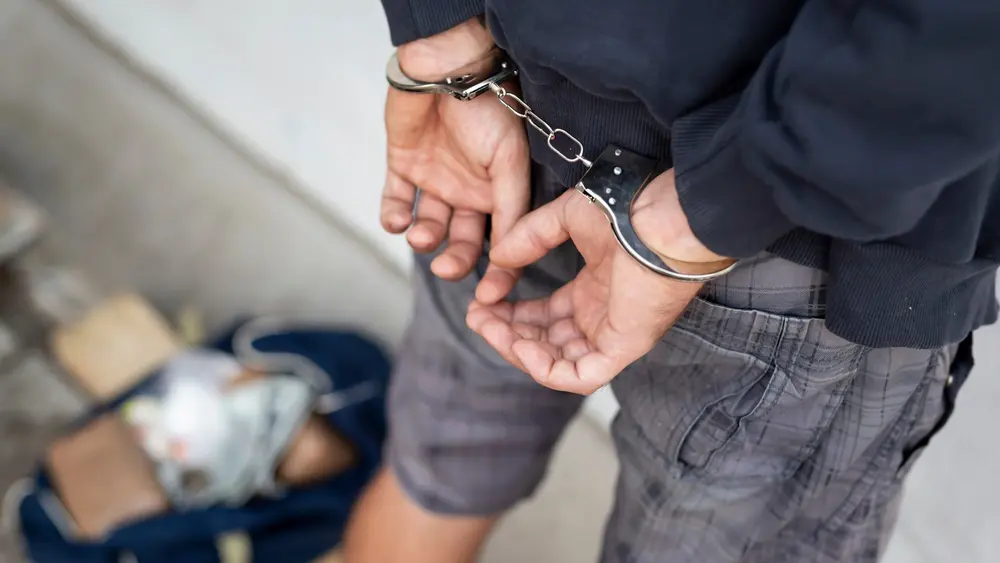
Since the release of the executive order, other proposals for expanding involuntary treatment for adults with substance use disorder have been cropping up across the U.S., including in New Jersey, Washington state and New York state.
I am a licensed clinical psychologist, substance-use treatment professional and researcher at the University of Washington. Throughout my three decades in the field, my research has focused on what works when it comes to substance use treatment, including among people experiencing homelessness.
I started reading research on involuntary treatment in 2018, when Ricky’s law – Washington’s version of involuntary treatment – was implemented where I live and work.